Why Is My Hen Crowing Like a Rooster? The Real Answer
Why is your hen crowing like a rooster? The two real reasons — a flock that lost its rooster, and true spontaneous sex reversal — and when to call a vet.
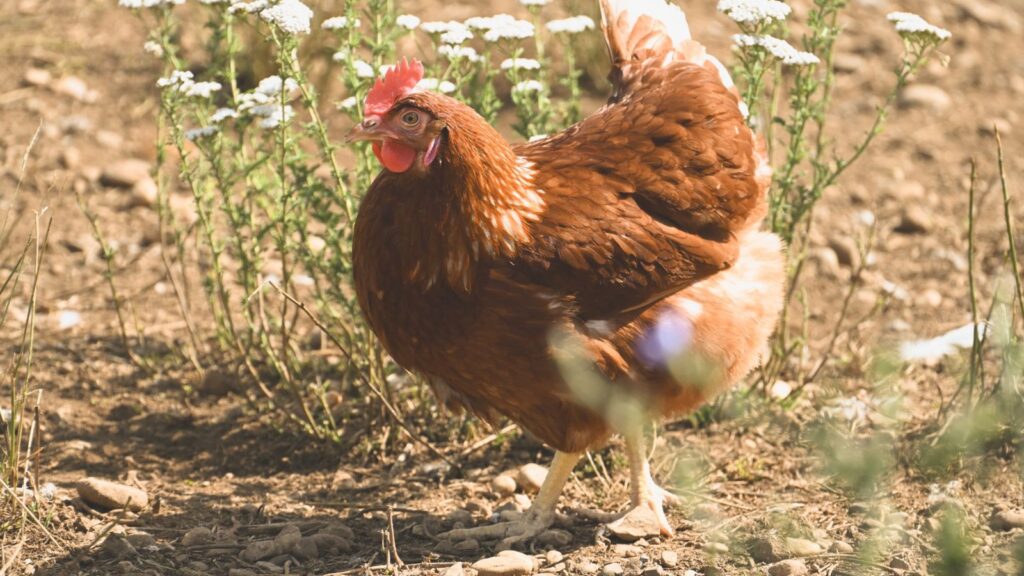
If one of your hens has started crowing like a rooster, there are really only two reasons for it — and the common one is nothing to worry about. Most of the time it means your flock has lost its rooster, or never had one, and your top hen has simply stepped into the empty job. She’s still a hen. She’ll still lay. Nothing about her has actually changed except her nerve. The rarer reason is stranger, and it’s the one people never see coming: a true hormonal shift called spontaneous sex reversal, where a hen grows a rooster’s comb and feathers, sprouts spurs, and yes — crows — because of something that’s happened inside her body.
That’s the short answer. But if you’ve got a hen up on the fence post at 6 a.m. doing her best rooster impression, it’s worth knowing which of the two you’re actually looking at, because one is a shrug and the other is worth a closer look.
Reason one: your flock lost its rooster
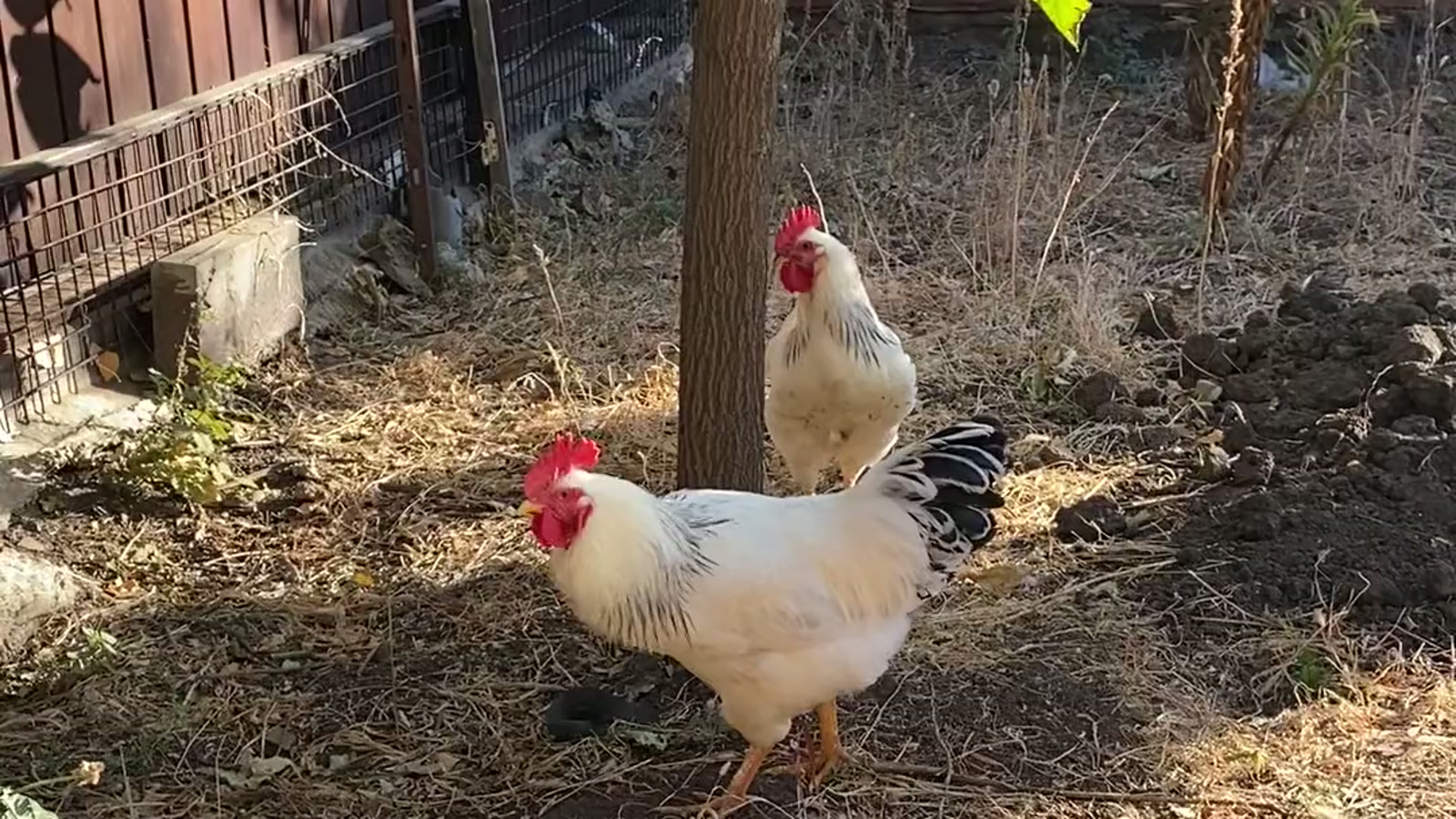
This is the one I get in my Facebook messages about every couple of months, usually with a bewildered voice-memo of a hen mid-crow attached. A flock runs on a pecking order, and part of a rooster’s job is to be the lookout — the one who sounds off, watches the sky, and breaks up squabbles. Take the rooster out of the equation, whether you never had one or you lost him to a predator, and that job doesn’t just disappear. Often the boldest hen at the top of the order steps up and fills it, crowing and all.
She isn’t confused, and she hasn’t turned into a rooster. She’s a hen doing a rooster’s chores. In this version she keeps laying, her comb and body stay hen-shaped, and the only thing that’s different is the noise coming out of her at sunrise. I’ve watched a bossy Buff Orpington do exactly this the summer after we lost our only cockerel — crowed for about three weeks, then quit once the new pecking order settled. If your “crowing hen” still looks like every other hen in the run and is still dropping an egg in the nest box, this is almost certainly what’s going on.
Reason two: spontaneous sex reversal (the wild one)
Here’s the part that makes people’s jaws drop, and it’s real biology, not a barnyard myth. A hen is born with two ovaries, but only the left one ever develops and works — the right one stays a small, dormant scrap of undefined tissue her whole life. Dr. Jacquie Jacob, a poultry specialist at the University of Kentucky, lays this out plainly in her extension writing on sex reversal in chickens: when that working left ovary gets damaged — usually by an ovarian cyst, a tumor, or diseased adrenal glands — it stops making estrogen and quietly regresses.
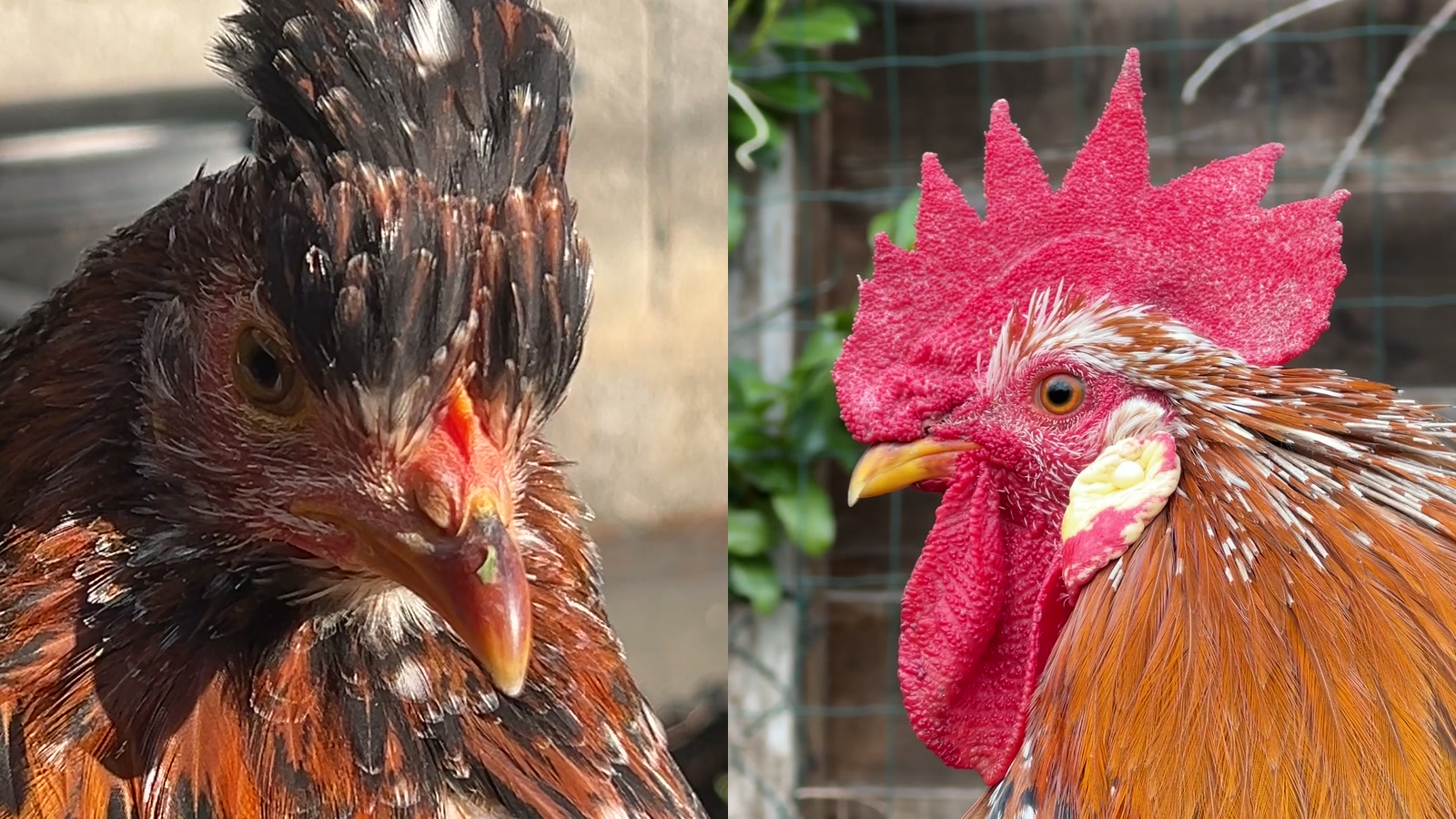
And here’s the twist. With the estrogen gone, the balance in her body tips toward testosterone, and that dormant right-side tissue finally wakes up. It develops into something called an ovotestis — a gland with a mix of ovary and testis tissue — and it starts pumping out male hormones. Flooded with androgen, the hen begins to look the part: a taller, redder comb and longer wattles, pointed hackle and saddle feathers, sometimes real spurs, and the crow to match. She can go from a plain brown layer to a convincing rooster look-alike over a molt or two.
What she does not do is actually become a rooster. As Jacob puts it, the bird is genotypically female but phenotypically male — genetically she’s still 100% hen; it’s only her hormones and her appearance that have flipped. Most hens that go through this stop laying and never sire chicks, though there are a handful of documented cases of an ovotestis producing sperm. It’s rare, it’s fascinating, and it’s almost always driven by that underlying problem with the ovary.
How to tell which one you’ve got
You don’t need a vet to make the first call — you just need to actually look at her instead of only listening.
If she’s only crowing — same hen face, same comb, same body, still laying — she’s filling the rooster’s shoes. No action needed beyond enjoying the show. This is the common one.
If she’s changing — the comb and wattles getting bigger and redder, long pointed feathers coming in around her neck and back, spurs developing, and the eggs tapering off — that’s the pattern of true sex reversal, and it means her ovary is very likely diseased. The crow is the least important symptom here; the physical change and the drop in laying are the tells that matter.
Give her a proper once-over the way you would any bird that seems off — I keep a short list of what to check and what to have on hand in my post on a backyard chicken first-aid kit. Note whether she still looks bright and is eating, whether she’s lost weight under all those new feathers, and when she last laid.
When it’s worth a vet’s eyes
Here’s where I’ll be straight with you, because this is the reason the article isn’t just a fun fact. Spontaneous sex reversal is usually a symptom, and the underlying cause is often an ovarian tumor or cyst — sometimes cancerous. A hen who’s masculinizing and has quit laying isn’t a novelty; she’s telling you her ovary is sick. There’s no home fix for that and I’d never hand you a dose to give — this is exactly the kind of thing to take to an avian vet or your county extension office, who can tell you whether you’re looking at something manageable or something that’s going to shorten her life.
If she’s genuinely just crowing and thriving, let it be. But if she’s transforming, losing condition, or has stopped laying, get a real set of eyes on her. That’s the honest line between “huh, neat” and “she needs help.”
So is she still a hen?
She is. That’s the strange, wonderful truth of it — genetically nothing has changed. What you’re watching is her hormones rewriting the outside while the inside stays exactly what it always was. It’s one of those backyard-chicken things that sounds made up until it happens in your own run, and then you spend a week telling everyone you know. The girls will keep surprising you; six years in, mine still find new ways to.
I go a lot deeper on reading your flock — what’s normal, what’s not, and when a strange behavior is worth worrying about — in Raising Backyard Chickens for Beginners. There’s a whole section on the “is this normal?” moments that catch every new keeper off guard. This post is the answer to one of them; the book is the rest.
And if you want my free Backyard Flock Starter Kit — first breeds, predator-safe coop sizing, and the first-flock basics I wish someone had handed me on day one — you can grab it right here. Know your girls, even when one of them decides to crow like a boy.
