Why Do Some Flowers Close at Night? The Flower Clock
Why do some flowers close at night? It's a movement called nyctinasty — how the 'flower clock' works, why it protects the bloom, and which flowers do it.

Some flowers close up at night and open again by morning because of a movement called nyctinasty — the plant’s version of sleep. Cells at the base of each petal take on or release water, swelling on one side to open the flower and on the other to fold it shut, and the whole thing runs on the plant’s own internal clock, so the flower starts closing before dark even arrives. Mostly, it’s protection: closing keeps the pollen dry and out of the cold and dew, and there’s no sense in a flower spending scent and energy all night when its pollinators are asleep too.
That’s the short answer. If you keep a few pots on a balcony or a windowsill, though, it’s worth understanding what’s actually happening — because once you’ve seen it, you’ll notice it every single evening.
It isn’t the flower “chasing the sun”
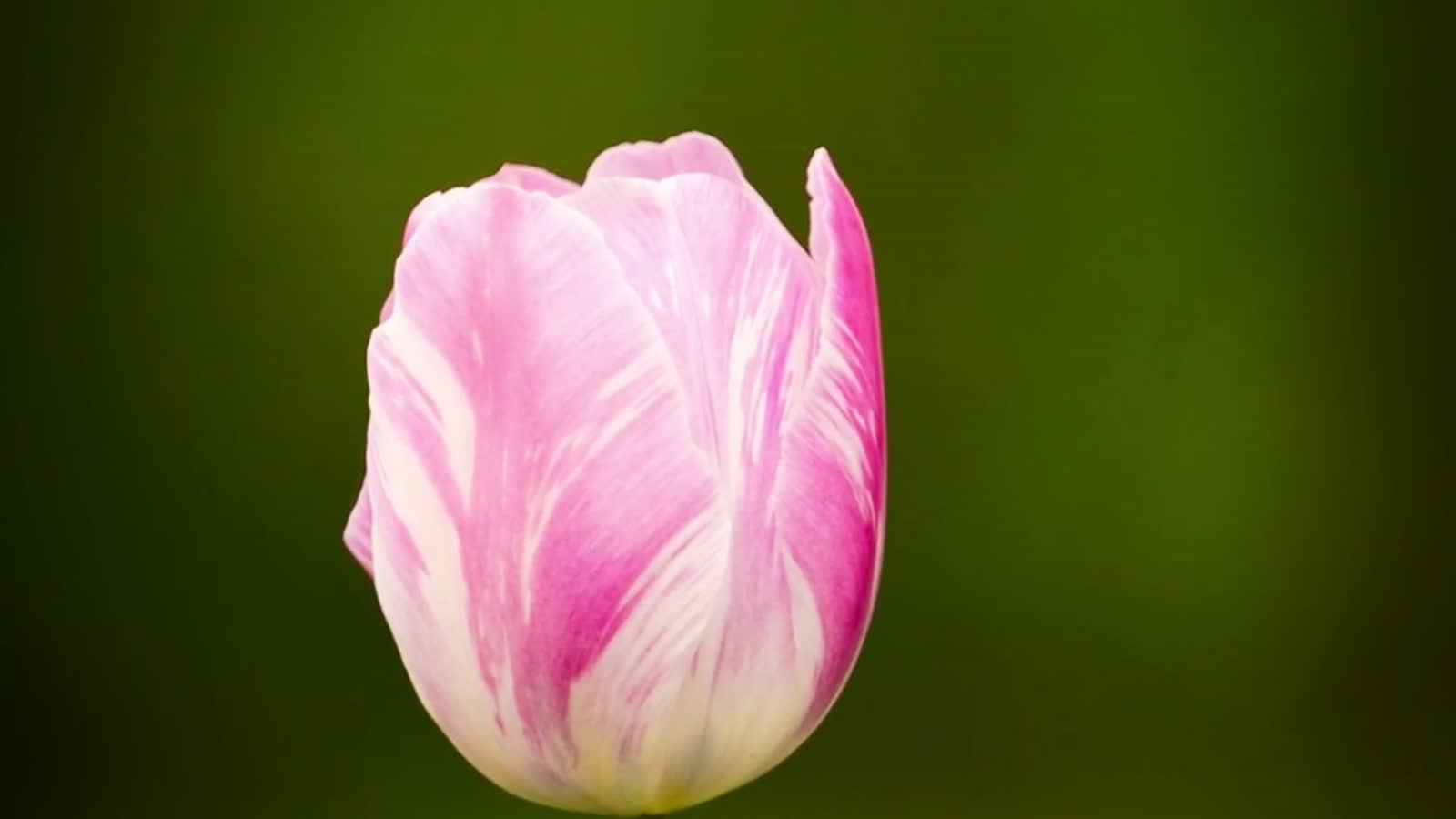
People often assume a flower opening and closing is following the light, the way a sunflower’s head tracks the sun across the sky. It’s a different thing entirely. That sun-tracking is growth in a direction. This is a nastic movement — the flower always opens and closes the same way, set by its own anatomy, no matter where the light is coming from.
Here’s how it works. Along the base of each petal there’s a band of cells that can quietly fill with water or let it go. When the cells on one side swell, they push the petal open. When the cells on the other side swell, they pull it closed. It’s the same trick a clover or an oxalis uses when it folds its leaves down for the night. No energy-hungry muscle — just water moving in and out of cells.
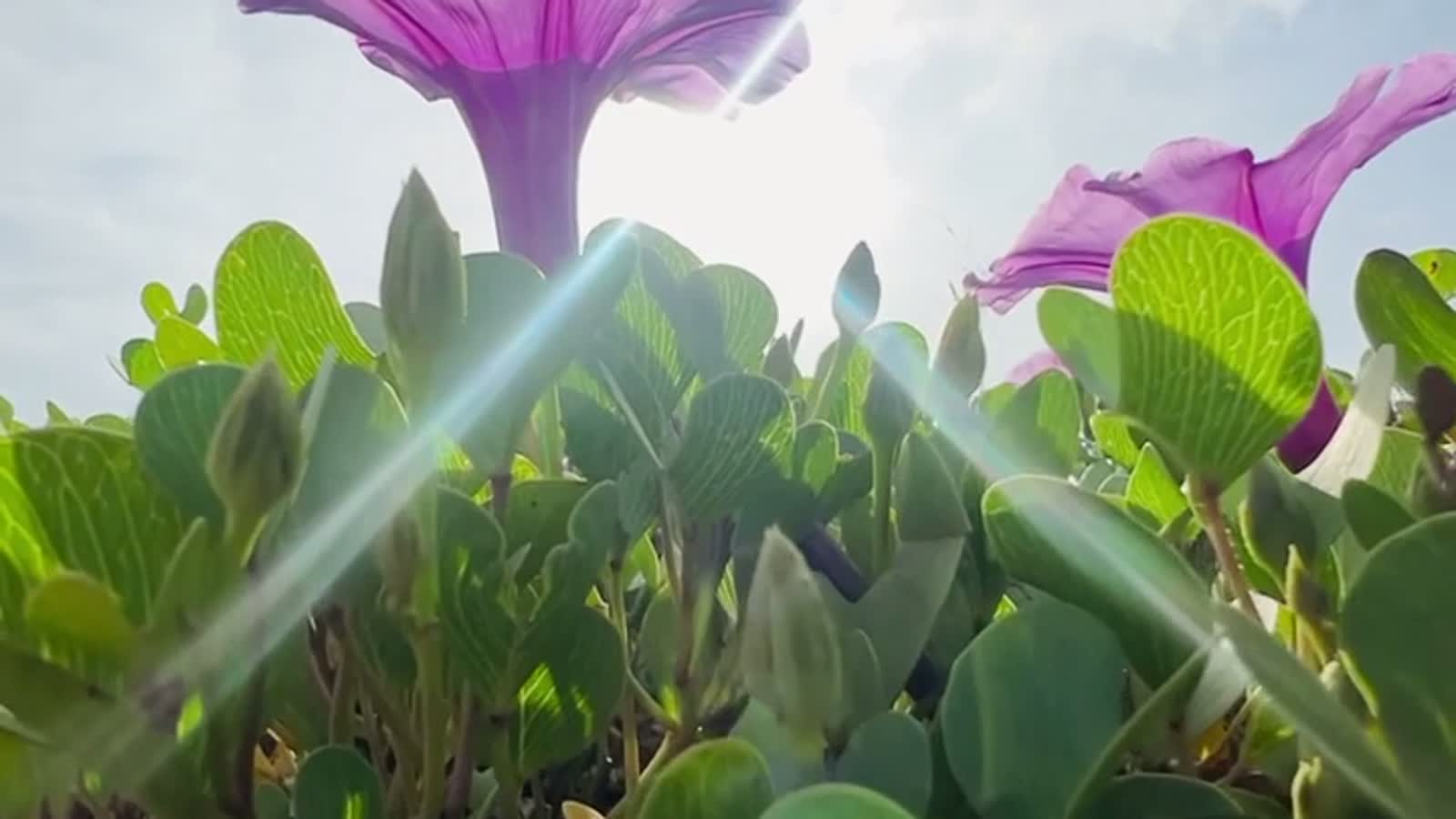
And it’s on a timer. Your flower isn’t only reacting to the sun going down; it’s keeping an internal clock, the same kind of daily rhythm you run on. That’s why a morning glory begins to close in the early afternoon, long before dusk, and why some flowers keep opening and closing on schedule for a day or two even in a dim room. Temperature plays a part too — tulips and crocuses are especially sensitive to it, opening when the air warms a few degrees and closing as it cools, which is exactly why a tulip flops wide open on a warm kitchen table.
The flower clock: an old, lovely idea
Two hundred years ago, a Swedish botanist named Carl Linnaeus noticed that different flowers open and close at such dependable hours that you could tell the time by them. In 1751 he sketched out a horologium florae — a flower clock — a garden bed planted so that whatever was opening or closing told you roughly what o’clock it was. Daylilies for the morning, others through the afternoon and into the evening.
You don’t need a whole bed to try a small version of the same idea. A couple of pots of things that keep obvious hours will do it. Charles Darwin was fascinated by the same behavior — he wrote a whole book on plant movement in 1880 and called it “the sleep of plants,” which is still the friendliest way to picture it.
So why do flowers bother?
Botanists don’t pin it on one single reason, but a few explanations come up again and again, and they’re easy to see for yourself:
Keeping the pollen dry and safe. Night brings cold, dew, and sometimes rain. Damp or chilled pollen doesn’t travel or germinate well, so folding the petals in around the flower’s working parts protects them until morning.
Not wasting the effort. Petals, scent, and nectar are a flower’s way of advertising to bees and butterflies — and those pollinators are asleep at night. Closing up saves the whole display for the daylight hours when someone’s actually around to visit.
A little shelter from the night. A closed flower is a smaller target for night-feeding insects and a bit more sheltered from cold. For folded leaves, Darwin even thought the movement helped guard them against frost.
The flowers that do the opposite
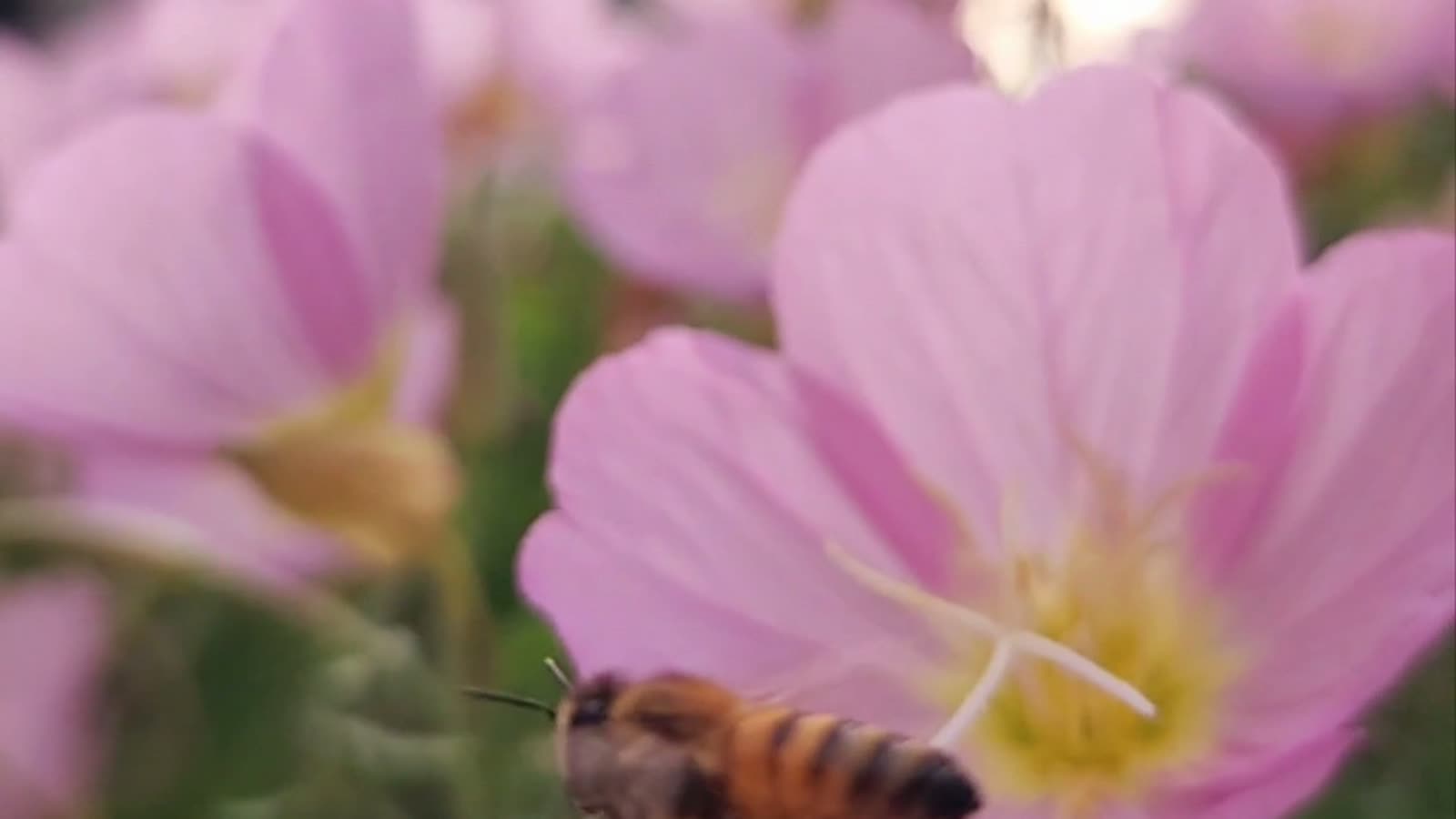
Here’s the part that makes it click. A handful of flowers run the same clock backward — they stay shut all day and open after dark. A moonflower unfurls its big white blooms in the evening; evening primrose and old-fashioned four-o’clocks do much the same. It isn’t a mistake. Their pollinators are night-flying moths, so it pays to be open, pale, and fragrant exactly when the daytime flowers have closed for the night. Same logic, opposite schedule.
Flowers to watch for it, even in a pot
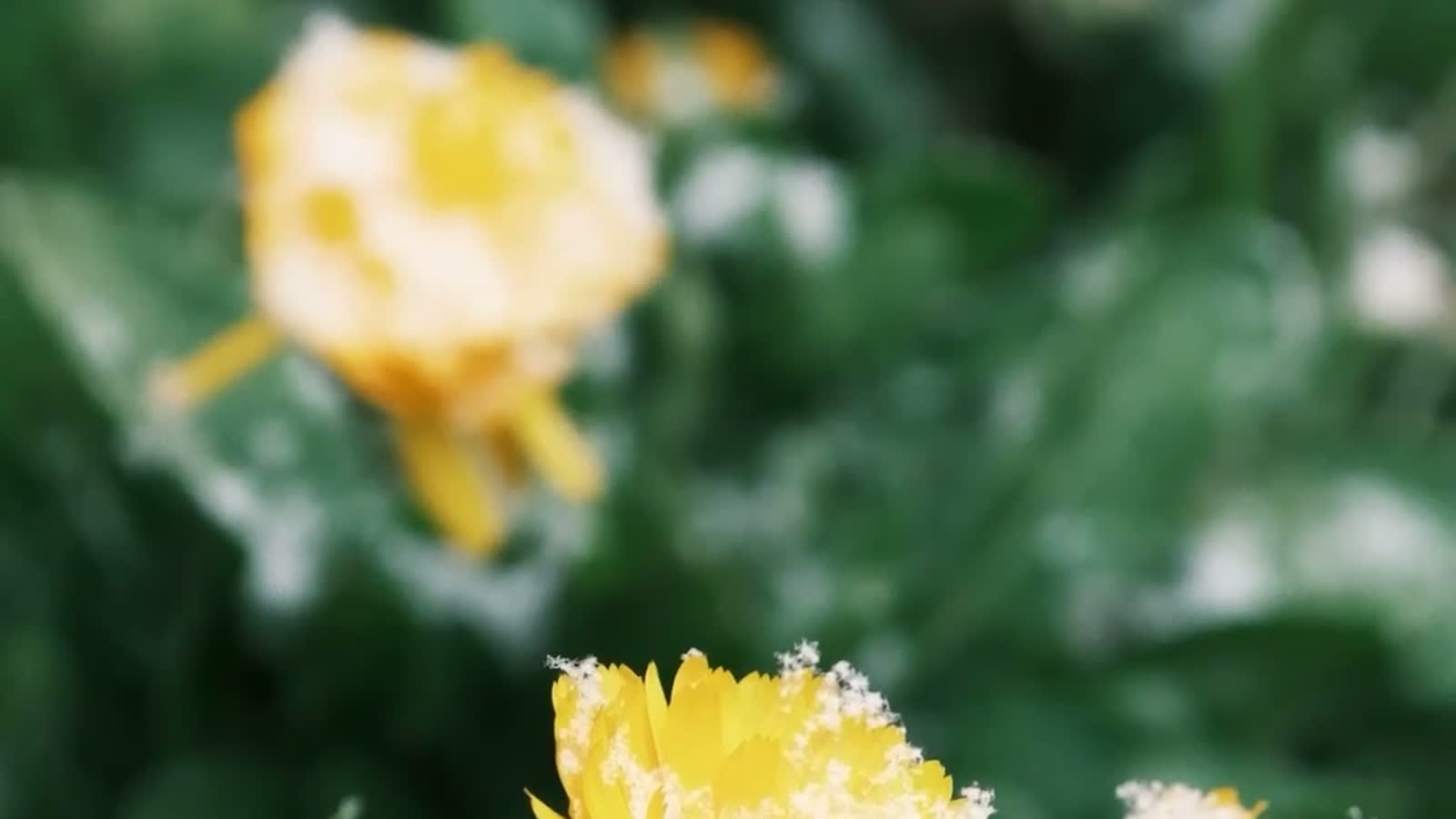
You don’t need anything special — a lot of easy, small-space flowers keep obvious hours:
Close up at night: calendula, tulip, crocus, California poppy, morning glory, gazania, English daisy, and some water lilies.
Open at night: moonflower, evening primrose, and four-o’clocks.
If you want to actually catch it happening, a pot of calendula on a sunny windowsill is the easiest place to start. It’s forgiving, it blooms for months, and on a clear evening you can watch it draw its petals in for the night, right on schedule. Calendula is one of my favorite edible flowers to grow in pots for exactly this reason — it’s generous and nearly unkillable. Start it on the same bright sill where I start most of my seeds, check it again at breakfast, and it’ll be open and facing the light. Once you’ve watched your own flower do it, you’ll never quite stop noticing.
I go deeper on choosing forgiving, productive flowers for a balcony or a windowsill — the ones that reward a beginner and put up with a missed watering — in Small Space, Big Harvest. This post is the “why” behind the little evening ritual; the book is how to fill the whole small space with things worth watching.
